


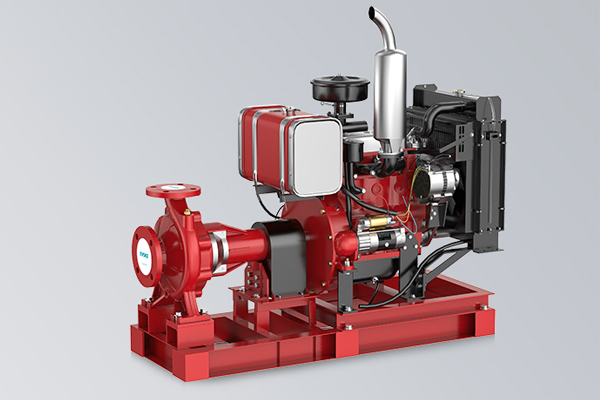
In the industrial world, fire safety is not just a regulatory requirement—it is the backbone of business continuity. Whether you manage a manufacturing plant, a chemical warehouse, or a commercial complex, the efficiency of your fire suppression system depends entirely on one component: the Fire Engine Pump.
When a fire breaks out, every second counts. You need a system that activates instantly and maintains high pressure until the danger is neutralized. This guide provides a deep dive into selecting the right equipment, choosing the best Fire Engine Pumps manufacturer, and understanding the technicalities of industrial fire safety.
Understanding the Role of a Fire Engine Pump
A fire engine pump is a specialized centrifugal pump designed specifically to provide a high-pressure water supply to fire sprinkler systems, standpipes, and hydrants.
Unlike standard water pumps, a fire pump must be:
Critical Technical Specifications
When consulting with a Fire Engine Pumps supplier, you should be prepared with the following technical data:
Flow and Pressure (The Duty Point)
The pump’s “rated capacity” is the flow it can provide at a specific pressure. For example, a 750 GPM pump at 10 Bar pressure. In industrial safety, the pump must be sized to handle the “worst-case scenario” the largest possible fire your facility could face.
The Power Drive
- Electric Motor: Highly reliable and lower maintenance. However, it requires a “Fire-Listed” controller and a secondary power source (like a dedicated generator) to comply with many safety codes.
- Diesel Engine: The preferred choice for many industrial sites. As a leading Fire Engine Pumps manufacturer, we recommend diesel engines for high-risk zones because they operate independently of the facility’s electrical grid.
Types of Fire Pumps and Their Applications
Choosing the physical configuration of the pump is vital for performance and maintenance:
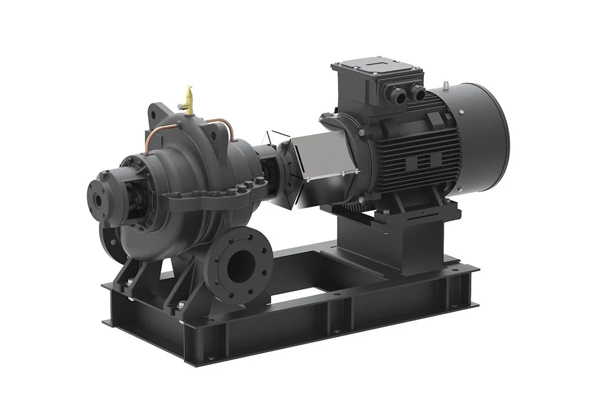
Horizontal Split Case (HSC)
These are the workhorses of the industry. They are easy to service because the casing can be opened to inspect the impeller without disconnecting the piping.
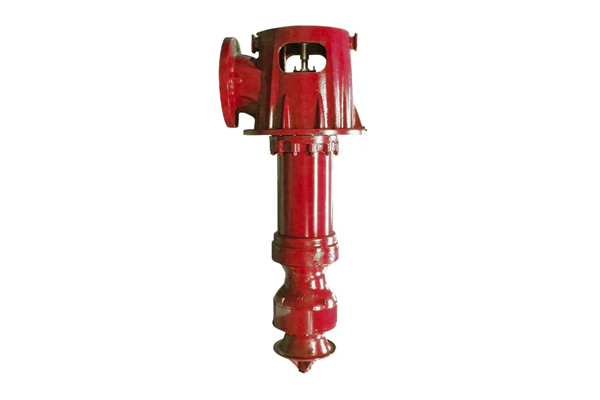
Vertical Turbine Pumps
If your water source is a ground-level reservoir or a deep borewell, these pumps are essential as they do not require priming and can pull water from below the pump level.
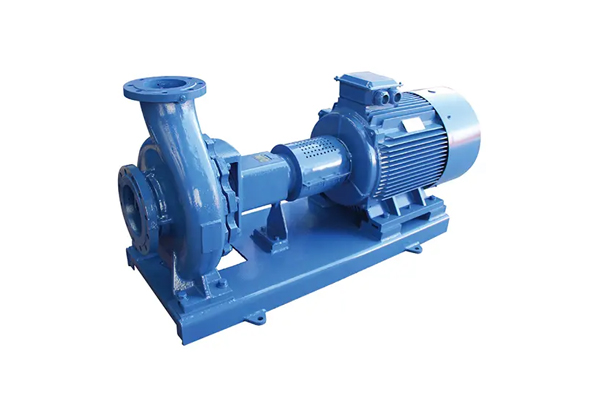
End Suction Pumps
Best for facilities with limited space. They are compact and highly efficient for lower flow requirements.
Why the Choice of Manufacturer Matters
Not all pumps are created equal. Industrial fire safety requires “Listed” and “Approved” components.
- Manufacturing Standards: A quality Fire Engine Pumps manufacturer uses corrosion-resistant materials (like Bronze impellers) to ensure the pump doesn’t “seize” during periods of inactivity.
- Supplier Expertise: A knowledgeable Fire Engine Pumps supplier doesn’t just sell you a machine; they help with the “Fire Node” calculation, installation, and regular testing to ensure compliance with local fire department norms.
FAQs on Fire Engine Pumps
Not all pumps are created equal. Industrial fire safety requires “Listed” and “Approved” components.
According to international standards (like NFPA 25), diesel fire pumps should be started and run weekly for at least 30 minutes. Electric pumps should be tested for 10 minutes weekly. This ensures the batteries are charged and the fuel/cooling systems are functional.
No. Regular pumps are not designed to handle the specific “Performance Curve” required for fire fighting. Fire pumps must be able to operate at 150% of their rated flow at 65% of their rated head—a capability standard pumps rarely possess.
Many large-scale industrial units use a “Main Electric Pump” and a “Standby Diesel Pump.” This provides redundancy—if the electricity fails or the electric pump malfunctions, the diesel engine takes over automatically.
A Jockey Pump is a small pump that maintains the pressure in your fire piping system to prevent the main fire pump from starting up for minor leaks. Yes, a Jockey Pump is essential to prevent unnecessary wear and tear on your main Fire Engine Pump.
With proper maintenance and regular testing, a high-quality fire pump system can last 20 to 25 years.
Conclusion: Partner with Lotus International
Safety is an investment in your company’s future. Choosing the right Fire Engine Pumps manufacturer ensures you have the most reliable technology, while a trusted Fire Engine Pumps supplier ensures that technology is perfectly integrated into your facility.