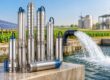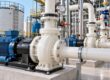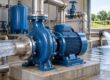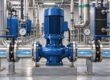
Sewage Pumps supplier
Handling dirty water, wastewater, sewage, and sludge requires a strong and dependable pumping system. A normal water pump may not be suitable for these applications because sewage water can contain solid particles, waste material, and other impurities.
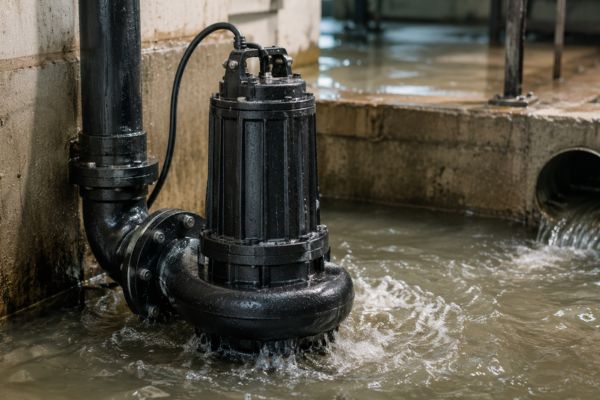
A Sewage Submersible Pump is designed to work directly inside the water or sewage tank. It helps move wastewater efficiently from one place to another and can be used in residential, commercial, municipal, and industrial applications.
Lotus International provides sewage pumping solutions for different applications and operating conditions. As a Sewage Pumps manufacturer and Sewage Pumps supplier, the company focuses on reliable performance, suitable pump selection, and practical pumping solutions.
What Is a Sewage Submersible Pump?
A Sewage Submersible Pump is a type of pump that works while fully or partly submerged in wastewater.
The motor and pump body are designed to operate safely inside the liquid. The pump pushes sewage or wastewater through the discharge pipe to another location.
These pumps are commonly used where wastewater needs to be removed from:
- Sewage tanks
- Drainage pits
- Basements
- Industrial sumps
- Septic tanks
- Wastewater collection systems
- Construction sites
- Municipal drainage systems
The correct pump selection helps improve system performance and reduces the risk of low pressure or insufficient water supply.
How Does a Sewage Submersible Pump Work?
The pump is installed inside the sewage tank, pit, or sump.
When the pump starts, the impeller rotates and creates force that moves the sewage toward the discharge outlet.
The wastewater then travels through the connected pipe to the required discharge point.
A suitable sewage pump can handle water containing certain types of solids and suspended particles. The actual solid-handling capacity depends on the pump design and model.
Why Sewage Pumps Are Important
Wastewater can quickly create problems if it is not removed properly.
Poor sewage drainage may result in:
- Waterlogging
- Bad odour
- Overflowing tanks
- Unhygienic conditions
- Equipment damage
- Production delays
- Property damage
- Drainage system failure
A properly selected sewage pump helps maintain continuous and efficient wastewater movement.
Main Benefits of Sewage Submersible Pumps
Efficient Wastewater Removal
Sewage pumps are designed specifically for dirty water and wastewater applications.
They can move wastewater more effectively than ordinary clean-water pumps when properly selected.
Compact Installation
Because the pump is installed inside the sump or tank, it does not require a large separate pump room.
This can help save installation space.
Reduced Priming Problems
Submersible pumps operate directly in the liquid.
This means there is generally no need for manual priming before each operation.
Suitable for Automatic Operation
Many systems can use float switches or control panels to start and stop the pump according to the liquid level.
This helps reduce manual operation.
Lower Noise During Operation
Because the pump operates inside the water or tank, operating noise may be lower compared with some surface-mounted pumping systems.
Suitable for Different Applications
Sewage submersible pumps can be used in many environments, including industrial, commercial, municipal, and residential systems.
Applications of Sewage Submersible Pumps
Sewage pumps are used wherever wastewater or dirty water needs to be transferred.
Residential Buildings
They can be used for:
- Basement drainage
- Sewage collection
- Septic systems
- Wastewater pits
Commercial Buildings
Suitable applications may include:
- Shopping centres
- Hotels
- Office buildings
- Restaurants
- Hospitals
- Educational buildings
Industrial Plants
Industrial facilities may use sewage pumps for:
- Wastewater handling
- Process drainage
- Sump dewatering
- Effluent transfer
- Utility drainage
Municipal Applications
Sewage pumps are commonly used in:
- Sewage pumping stations
- Drainage networks
- Wastewater collection systems
- Stormwater applications
Construction Sites
Construction projects may use sewage submersible pumps for:
- Pit dewatering
- Muddy water removal
- Basement drainage
- Temporary wastewater transfer
Important Features to Check Before Buying a Sewage Pump
Choosing the correct pump is very important for reliable performance.
Flow Rate
Flow rate means how much liquid the pump needs to move within a specific period.
Higher wastewater volumes may require a higher-capacity pump.
Head Requirement
Head refers to how high or how far the pump needs to move the wastewater.
The correct head calculation helps ensure proper discharge performance.
Solid Handling Capacity
Sewage may contain solid particles.
The pump should have a suitable passage size and impeller design for the expected solids.
Motor Power
Motor power should match the flow, head, and operating requirement.
An undersized motor may not provide enough performance, while an unnecessarily oversized pump can increase energy consumption.
Pump Material
The pump material should be suitable for the wastewater and surrounding environment.
The correct material can improve durability and service life.
Installation Depth
Check the operating depth and tank conditions before selecting the pump.
Why Choose Lotus International for Sewage Pumps?
Lotus International provides pumping solutions for different wastewater and drainage applications.
As a Sewage Pumps manufacturer and Sewage Pumps supplier, Lotus International can assist customers in selecting pumps according to their application requirements.
Customers can discuss:
- Required discharge capacity
- Head requirement
- Wastewater type
- Installation conditions
- Solid handling needs
- Motor requirement
- Operating pattern
The right technical selection can help reduce downtime, improve pumping performance, and increase equipment life.
Sewage Pumps Manufacturer in Ahmedabad
Businesses looking for a Sewage Pumps manufacturer in Ahmedabad should focus on technical support and correct pump selection, not only pump price.
Ahmedabad has many industrial areas, commercial developments, factories, construction sites, residential projects, and wastewater handling applications.
A properly selected sewage pump can support reliable drainage and wastewater movement in these environments.
Lotus International provides sewage pump solutions based on operating conditions and customer requirements.
Sewage Pumps Supplier in Ahmedabad
Choosing a reliable Sewage Pumps supplier in Ahmedabad helps customers get the right pump for their specific application.
A dependable supplier should understand important technical factors such as:
- Pump capacity
- Discharge head
- Motor power
- Wastewater characteristics
- Solid particle size
- Installation method
Lotus International supports customers by helping them choose suitable sewage pumping solutions for different applications.
Conclusion
A Sewage Submersible Pump is an important solution for efficient wastewater, sewage, and dirty water handling.
The right pump can help reduce drainage problems, prevent overflow, improve wastewater management, and support smooth operations.
When selecting a pump, consider flow rate, head, solid handling capacity, motor power, wastewater characteristics, and installation conditions.
Lotus International offers sewage pump solutions for various residential, commercial, municipal, construction, and industrial applications. Whether you are searching for a Sewage Pumps manufacturer, Sewage Pumps supplier, Sewage Pumps manufacturer in Ahmedabad, or Sewage Pumps supplier in Ahmedabad, selecting the correct pump based on your actual application will provide better long-term performance.
Frequently Asked Questions
A Sewage Submersible Pump is a pump installed directly inside sewage, wastewater, or drainage water to transfer the liquid to another location.
Sewage pumps are used in residential buildings, factories, hospitals, hotels, construction sites, wastewater plants, basements, and municipal drainage systems.
Many sewage pumps are designed to handle certain solid particles, but the allowable solid size depends on the pump model and impeller design.
Pump capacity should be selected according to required flow rate, discharge head, wastewater type, solid size, and operating conditions.
Yes. Many sewage pumping systems can operate automatically using float switches, level controls, and control panels.
A normal water pump is generally designed for clean or relatively clean water, while a sewage pump is designed for wastewater that may contain suspended solids and impurities.
Clogging may happen because of oversized solids, unsuitable pump selection, blocked pipes, damaged impellers, or improper installation.
The service frequency depends on usage, wastewater conditions, operating hours, and pump design. Regular inspection helps prevent unexpected breakdowns.
A local manufacturer or supplier can help customers understand application requirements, select suitable pumps, and support industrial and commercial wastewater applications.
Lotus International provides sewage pumping solutions for different wastewater and drainage requirements and can assist customers with suitable pump selection based on their application.