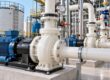
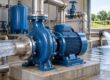
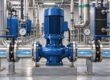
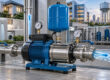
Modern industries require reliable pumping systems that can deliver efficient fluid transfer, continuous performance, and reduced maintenance costs. From manufacturing plants and commercial buildings to agriculture and construction sites, industries depend on advanced pump solutions for smooth operations. This is why Self-Priming Close Coupled Pumps are becoming a preferred choice across multiple industrial sectors.
These pumps are designed with self-priming capability and compact close coupled construction, making them highly efficient for industrial and commercial applications. Their ability to automatically remove air from the suction line, reduce downtime, and provide energy-efficient performance makes them ideal for modern industries.
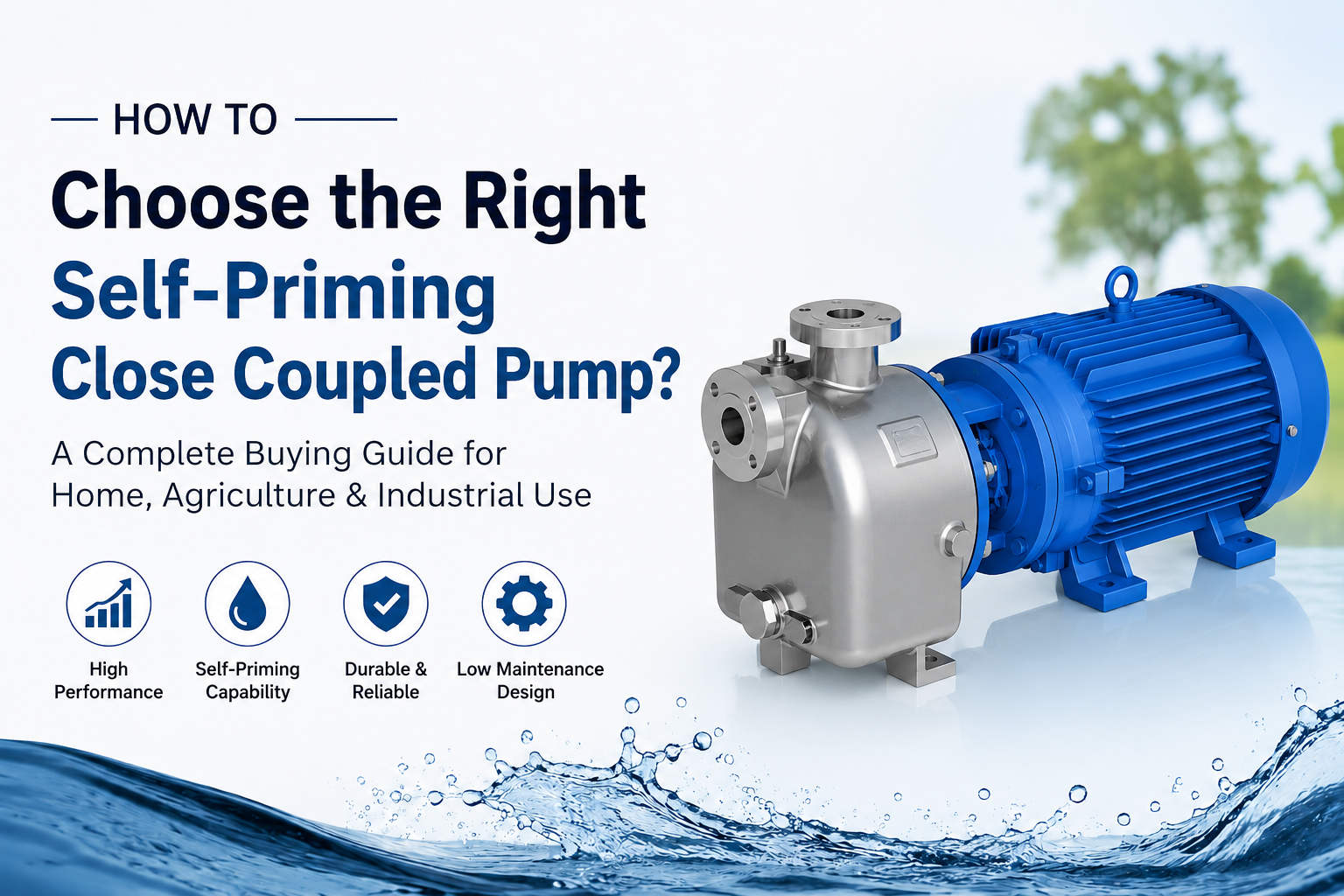
What Are Self-Priming Close Coupled Pumps?
Self-Priming Close Coupled Pumps are specially designed centrifugal pumps where the motor and pump are directly connected into a compact single-unit structure. These pumps can automatically remove trapped air from the suction pipe and restart pumping without manual priming.
The close coupled design helps reduce alignment problems while saving installation space. Because of their compact construction and reliable operation, these pumps are widely used for industrial water transfer, irrigation systems, water circulation, and fluid handling applications.
Why Industries Prefer Self-Priming Close Coupled Pumps
Compact Design for Space-Saving Installation
Since the motor and pump are integrated into one unit, the system occupies less installation space compared to traditional pump setups. Industries with limited operational space benefit greatly from this design because it simplifies installation and improves equipment arrangement. The compact structure also reduces installation time and transportation difficulties.
Automatic Priming Improves Operational Efficiency
Traditional pumps often require manual priming before restarting, which can increase downtime and reduce productivity. Self-Priming Close Coupled Pumps eliminate this issue through automatic priming technology that quickly removes air from the suction line. This feature is highly useful for industries where pumps frequently stop and restart during operations.
Low Maintenance and Reliable Performance
Designed with fewer moving components, these pumps help reduce wear and tear during continuous operation. The close coupled construction minimizes alignment issues and reduces vibration levels, improving overall mechanical stability. Their simplified design helps industries reduce maintenance costs and operational downtime.
Energy-Efficient Pumping Solution
Designed with efficient motors and optimized hydraulic systems, these pumps help reduce power consumption. Energy-efficient pump systems not only lower electricity bills but also improve productivity and support sustainable industrial operations, making them a cost-effective solution for long-term use.
Common Industrial Applications of Self-Priming Close Coupled Pumps
Self-Priming Close Coupled Pumps are widely used across multiple industries because of their dependable performance and efficient liquid handling capability.
Common Applications Include:
Industrial water transfer
Agriculture and irrigation systems
Construction site dewatering
Commercial water circulation
Manufacturing industries
Water treatment plants
Chemical processing industries
Domestic and commercial water supply
Their versatility and reliable operation make them suitable for both industrial and commercial environments.
Self-Priming Close Coupled Pumps vs Conventional Pumps
| Feature | Self-Priming Close Coupled Pumps | Conventional Pumps |
|---|---|---|
| Priming System | Automatic Priming | Manual Priming |
| Installation Space | Compact Design | Larger Space Required |
| Maintenance | Low Maintenance | Higher Maintenance |
| Efficiency | High Operational Efficiency | Moderate Efficiency |
| Alignment Issues | Minimal | More Common |
| Downtime | Reduced | Higher |
Common Pump Problems and Maintenance Tips
Proper maintenance is important for ensuring long-term pump performance and operational reliability.
Air Leakage
Leakage in the suction line may affect priming performance and reduce pumping efficiency.
Dry Running
Running the pump without liquid can damage internal components and reduce pump lifespan.
Overheating
Improper ventilation or motor overloading may lead to overheating during continuous operation.
Routine Inspection
Regular inspection of seals, bearings, and suction lines helps prevent unexpected failures and improves operational efficiency.
Why Choosing the Right Pump Manufacturer Matters
The performance and durability of Self-Priming Close Coupled Pumps largely depend on manufacturing quality and engineering standards. A trusted manufacturer ensures reliable pump construction, precision engineering, quality testing, and efficient after-sales support.
Choosing an experienced Self-Priming Close Coupled Pump Manufacturer helps industries achieve better performance, reduced maintenance costs, and long operational life.
FAQs on Self-Priming Close Coupled Pumps
1. What are Self-Priming Close Coupled Pumps?
Self-Priming Close Coupled Pumps are compact centrifugal pumps designed to automatically remove air from the suction line and provide efficient fluid transfer without manual priming.
2. What are the advantages of Self-Priming Close Coupled Pumps?
These pumps offer compact design, automatic priming, energy-efficient performance, low maintenance, and reliable operation for industrial applications.
3. Where are Self-Priming Close Coupled Pumps commonly used?
They are widely used in industries, irrigation systems, construction sites, water circulation systems, and commercial water transfer applications.
4. How do Self-Priming Close Coupled Pumps improve efficiency?
Their automatic priming system reduces downtime while the close coupled structure improves mechanical efficiency and reduces operational losses.
5. Are Self-Priming Close Coupled Pumps energy efficient?
Yes, these pumps are designed with energy-efficient motors and optimized hydraulic systems that help reduce electricity consumption.
6. What maintenance is required for these pumps?
Routine cleaning, inspection of suction lines, seal checking, and monitoring motor performance help maintain efficient operation.
7. Why do Self-Priming Close Coupled Pumps lose suction?
Loss of suction may occur because of air leakage, clogged suction pipes, damaged seals, or improper installation.
8. What materials are used in these pumps?
Common materials include cast iron, stainless steel, bronze, and corrosion-resistant components for improved durability.
9. How do I select the right Self-Priming Close Coupled Pump?
Flow rate, pressure requirement, motor power, liquid type, and operating conditions should be considered before pump selection.
10. Why should I choose a trusted pump manufacturer?
A trusted manufacturer ensures quality products, reliable performance, technical support, and long-term operational efficiency.
Conclusion
Self-Priming Close Coupled Pumps are becoming an essential solution for modern industries because of their compact design, automatic priming capability, low maintenance, and energy-efficient performance. Their reliable operation and versatile applications make them suitable for industrial, commercial, and agricultural use.
With advanced engineering and dependable pumping solutions, Lotus International provides high-quality Self-Priming Close Coupled Pumps designed for efficient and long-lasting industrial performance.