Energy-Efficient Domestic Pumps
Consistent and reliable water access is the backbone of any smoothly running household. From early morning showers to running the washing machine and maintaining a garden, domestic water pumps are the silent workhorses that ensure water flows exactly when and where you need it. However, traditional Energy Efficient Domestic Pumps can be significant energy drains, quietly driving up monthly utility bills.
This is where the shift toward domestic water pumps becomes crucial. By integrating modern engineering with smart technology, these upgraded systems provide the same powerful water pressure while drastically cutting down on electricity usage, making them an essential upgrade for the modern, cost-conscious, and eco-friendly home.
What Makes a Domestic Water Pump Energy-Efficient?
The leap from standard to energy-efficient pumping relies on advanced internal engineering. Unlike older models that run at a single, relentless speed regardless of demand, modern efficient pumps are built with:
- Advanced Motor Designs: Utilizing permanent magnet motors or superior copper windings that generate less heat and waste less energy.
- Intelligent Controls: Smart sensors that monitor water flow and pressure, adjusting the pump’s activity in real-time.
- High-Efficiency Impellers: Precision-engineered hydraulic components that move water with less friction and hydraulic loss.
Benefits of Using Energy-Efficient Domestic Water Pumps
- Cost Savings on Electricity Bills: Lower wattage draw translates immediately to reduced monthly power costs.
- Lower Environmental Impact: Reduced energy consumption directly decreases reliance on fossil-fuel-heavy power grids.
- Increased Lifespan: Because they operate more smoothly and generate less heat, the motor and internal components experience far less wear and tear.
- Reliable Performance with Minimal Maintenance: Better engineering means fewer breakdowns and a steadier, more dependable water supply.
- Sustainability in Water Usage: Many smart pumps prevent dry-running and pipe bursting, helping to conserve your local water resources.
How Energy Efficient Pumps Save Money and Resources
The financial return on an energy-efficient pump is a long-term game. While standard pumps draw maximum power the moment they turn on, efficient models use only the exact amount of power required to move the requested volume of water. Over months and years, this reduced power consumption compounds into substantial financial savings that easily offset the initial purchase price.
Environmentally, these pumps are a direct way to shrink a household’s carbon footprint. By pulling less electricity from the grid, they reduce the greenhouse gas emissions associated with power generation, making your daily water usage a more sustainable practice.
How Do Energy Efficient Pumps Work?
The secret to their efficiency lies in intelligent operation. Traditional pumps are strictly “on” or “off.” If you turn on a single faucet, a standard pump runs at 100% capacity.
Energy-efficient pumps, specifically those equipped with Variable Frequency Drives (VFDs) or intelligent pressure controllers, alter their mechanism based on real-time water demand. If you only need a trickle of water to wash your hands, the motor lowers its speed to match that exact flow rate. By dynamically adjusting the motor’s RPMs (revolutions per minute) to the current demand, the pump prevents the massive energy spikes associated with constant stopping and starting.
Types of Energy Efficient Domestic Pumps
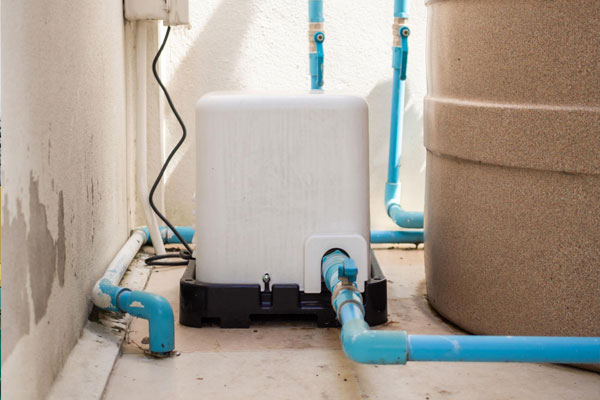
- Self-Priming Pumps: Ideal for lifting water from underground tanks or shallow wells to overhead storage. They are highly efficient for everyday domestic supply and don’t require manual priming once initially set up.
- Submersible Pumps: Designed to be fully submerged in borewells or deep underground tanks. Because they push water up rather than pulling it, they are inherently more energy-efficient for deep-water extraction.
- Centrifugal Pumps: Perfect for boosting water pressure within the home or transferring water from a municipal line to a storage tank. Modern centrifugal models utilize optimized impellers to maximize flow with minimal power.
Key Features to Look for in Energy Efficient Domestic Pumps
FAQs
While savings depend on your household’s water usage and local electricity rates, most users see an estimated savings range of 20% to 40% on the pumping portion of their energy bills compared to older, traditional models.
They do typically carry a higher upfront cost due to the advanced technology and superior materials used. However, the long-term savings on your monthly electricity bills usually allow the pump to pay for itself over the first few years of use.
Absolutely. Performance is never compromised. In fact, due to optimized hydraulics and smarter motors, they often provide more consistent water pressure and better flow rates than standard pumps of the same size.
Because they operate with less friction, generate less heat, and avoid harsh “hard starts,” energy-efficient pumps boast exceptional durability. With proper installation, they generally outlast traditional pumps by several years.
Not at all. The routine maintenance is largely the same as standard pumps. However, because their intelligent design results in lower mechanical wear and tear, you will likely find yourself performing maintenance and repairs far less often.
Conclusion
Switching to an energy-efficient domestic water pump is more than just a home improvement; it is a smart financial decision and a step toward environmental responsibility. By reducing your daily electricity consumption without sacrificing water pressure or reliability, these pumps offer a seamless upgrade to your daily life. Investing in energy-efficient technology today ensures a greener footprint and a significantly more cost-effective future for your household.